Introduction
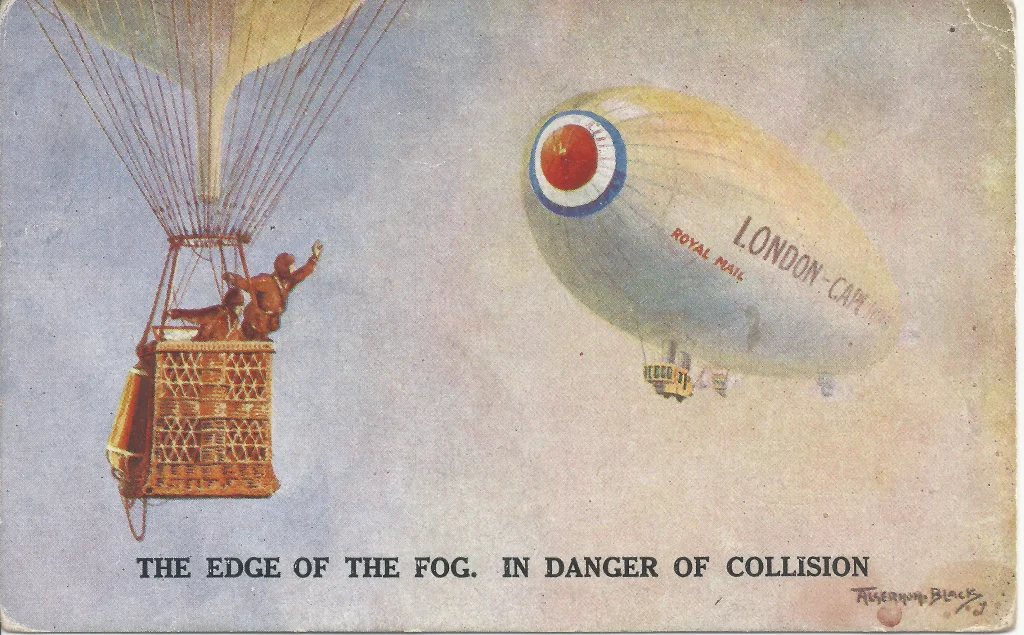
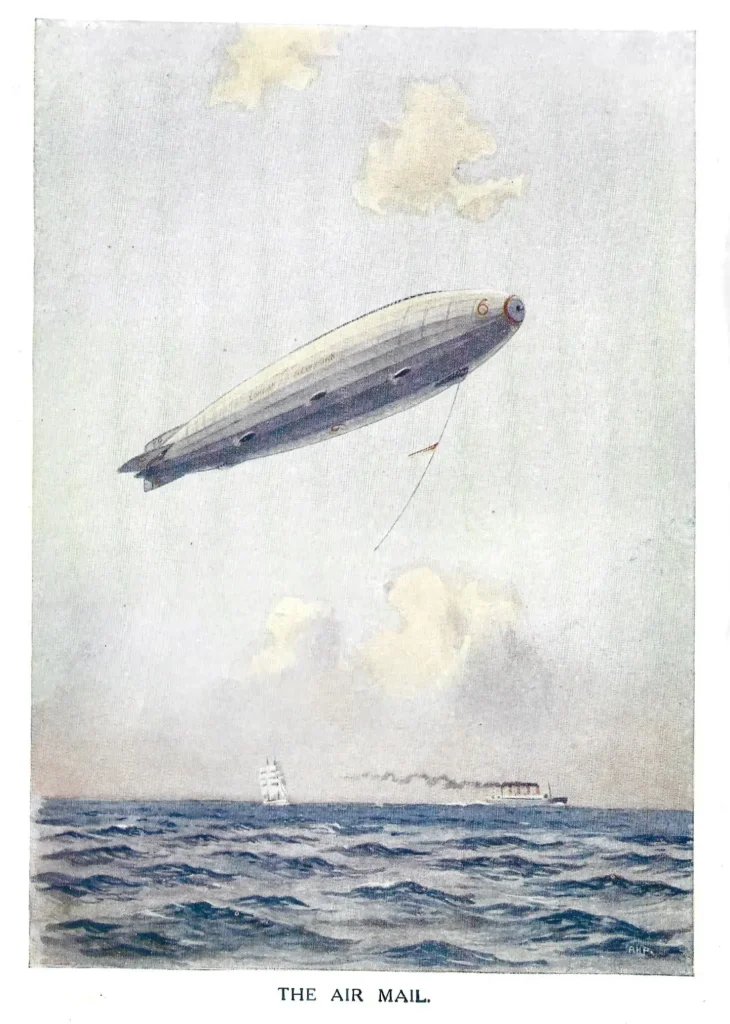
Following on the success of the R34, it was seen that the airship could traverse oceans and the original idea. The idea of linking the Empire together was born. Vickers Company had been producing airships since the original Airship Number 1, the Mayfly, and a series of rigid airships during the war.
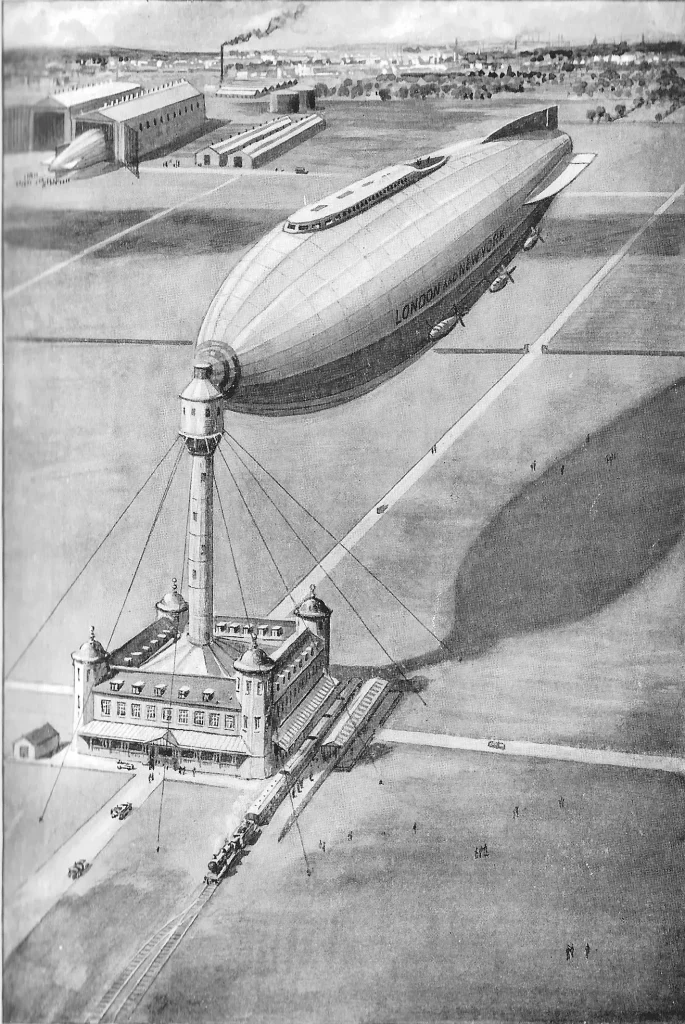
In 1919, the design concept for a passenger-carrying luxury airship took shape, and the Trans-Oceanic Airship was proposed. New research has uncovered some original contemporary texts. The plans for the ship were in the advanced stages, as many details had been proposed, including the “Masterman” docking and mooring mast. The model of the ship, as seen, was exhibited in Amsterdam, August-September 1919. This model may also have been shown at the 6th International Aero Exhibition at Olympia in London in 1920.

Design Concept

The passenger and Mail carrier for world routes
To this class will belong the large airships with the highest speed commercially economical, designed for the transport of passengers, mail, light express parcels and freight. It is seen that the longest non-stop flight required on the cross-oceanic routes was about 3,500 miles, and a suitable reserve of thirty per cent for adverse winds and deviation from course demanded that the design of the ship be able to carry enough fuel and oil sufficient for an endurance of 4,500 miles at normal flying speed. At the time, a rigid airship of some 4,000,000 cu ft of gas was proposed. The ship would have to be provided with sleeping accommodation for 100 passengers, suitable for journeys of several days in length. A general specification is as follows.
Passenger Accommodation
Living Salon
The main living quarters would be in a salon at the top of the airship, furnished with tables and chairs. Her,e the passengers could pass the time comfortably during the day and take their meals. Though the saloon might alternatively be a long car slung underneath the ship, the other position is preferable for being far removed from the noise of the engines and propellers and unaffected by vibration. Part of the saloon deck would be fireproofed to serve as a smoking room, and an open-air shelter deck would be provided aft of the saloon to allow passengers to take the air and get some exercise. Windows in the saloon would give a view in all directions.

Observation Saloon
Special observation saloons for passengers could be fitted fore and aft under the hull, and an observation gallery at the extreme aft end. These would command the land and sea immediately below the ship. The long keel corridor inside the bottom of the ship might also be used as a promenade by those persons who were not satisfied with the restricted space of the shelter deck

Sleeping Quarters
Sleeping bethers with all necessary conveniences could be provided in small cabins or inside the keel space underneath the ship.

Galley
A mess kitchen with electrically heated cooking apparatus would be situated near the main saloon in which all meals would be prepared.
Passenger Lift
A passenger lift would afford communication between the quarters on the top of the hull and the keel corridor underneath. From the latter, a passageway would run to the bow of the ship and to a connection with the mooring tower, through which passengers embark and disembark.
Hull Structure
The hull would be of the most perfect streamline form permitted by constructional requirements. There would be an internal keel corridor, running along the bottom of the hull, in which all petrol and oil tanks and water ballast would be carried. It would also contain the crew’s sleeping and living quarters.
Outer Covering
The outer cover would be made of special weatherproof fabric able to endure for a long time the effects of continuous voyages and to insulate the gas sufficiently from any changes in temperature to reduce variations in the lift.
Gasbags
The gas capacity would be distributed among a number of gas-bags made of suitable subber-proofed cotton fabric, lined with goldbeater’s skins and fitted with automatic relief valves and hand-controlled manoeuvring valves.
Control and Navigation Compartment
A control and navigation compartment would be built onto the hull towards the forward end of the airship. This would contain all main controls and navigation instruments, including a cabin for wireless telegraphy installation. It would have windows so arranged as to give clear views in every direction.