
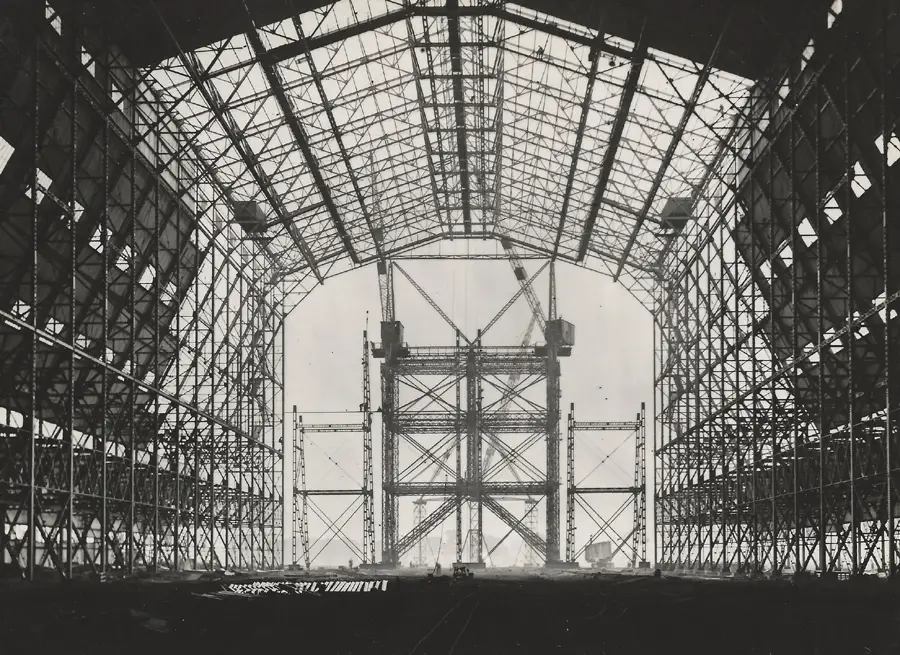
It may be seen as rather a simple fact, but before you build an airship, you need somewhere to build it in. This is the main factor which dictates the design and size considerations of an airship. The simple fact is that the size of the ship is dependent on the size of the shed it is built in.
Today, the two Cardington Sheds can be seen dominating the skyline for many many miles around and are seeing a new change with the buildings surrounding them.
Why Cardington?
How did a small village some 5 miles from the centre of Bedford come to be the centre of Airship operations and excellence?
The story starts not with the village but with the Shorts Brothers Engineering Company. Having won a contract for the construction of an airship in 1916, the original design team had set up offices in a private house in Hampstead, London. In September of 1916 they decided to move to Bedford, choosing this market town for its sufficiency of high-grade light engineering works and its population of about 35,000. Outside the town, at Putnoe, was a stretch of farmland being used as an aerodrome for the Royal Flying Corps as part of the United Kingdom’s defence network against the Zeppelins. Within sight of Putnoe was, and still is, the village of Cardington.
The man who headed up the enterprise for the Shorts Company was a young man by the name of Claude Lipscomb. At 29, Claude had already served his apprenticeship at Woolwich Arsenal but had joined Shorts at the outbreak of the war in 1914 attracted by the prospect of technological advancement in the new aviation world. Claude set up his first drawing office in a loft of the coach repair shop in Bedford. Having been attacked by Zeppelin Raiders that September and with the threat of the new Super Zeppelins, agreement was reached to develop our own ships. With its gentle prevailing wind, the site of farmland south-west of Bedford and the site of Cardington was chosen.
The Project

Cardington, having been chosen, the airship project was begun, and proposals were framed as to what was needed in the way of resources to actually build airships of this scale. When the proposal was reviewed, it was realised that it could take an act of Parliament to release the thousands of tons of steel to construct the hangar alone!


The shed was the biggest to be built in Britain at that time. It was to provide a minimum of space for two ships under one cantilever roof. The dimensions were such that it would be possible to build ships that, at that time, would in no way be inferior to the biggest Zeppelins. Additional steel was needed for the enormous windbreaks, which were set up at both ends of the shed. These screens, as long as the shed itself, were designed to protect an airship during the time it was being manoeuvred in to and out of the sheds from either end
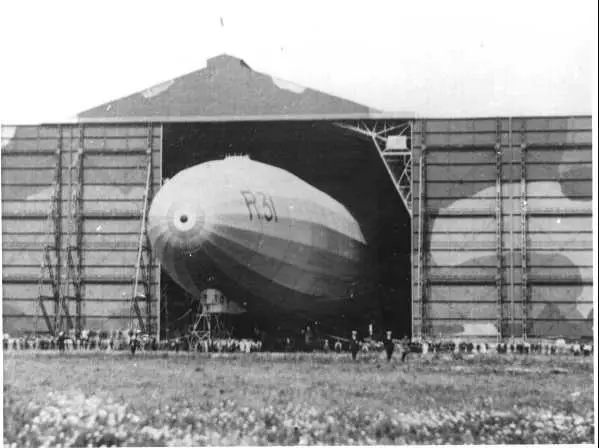
The Airships and Imperial Airship Service

The first ship to come out of the Cardington airship facility was the R31. The ship was commissioned only 5 days before the Armistice on 11th November 1918, and exactly two years and two months from the time that Claude Lipscomb had set up in Bedford. The shed was an impressive construction and design project, admirable even in retrospect in a time of high-powered computers and modern communication. Today, it is easy to forget that it was hand-designed and hand-built.
Cardington became one of the World’s best airship facilities. Due to the economic depression of the post-war years, the Airship station was closed in 1921 after the construction of the R38 and the scrapping of the R37.
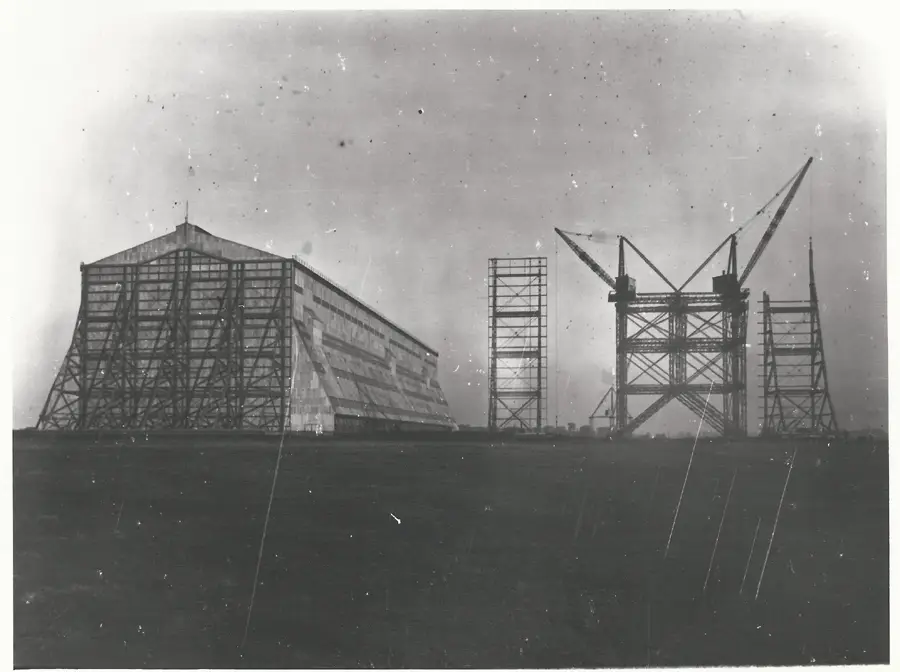
However, the station was reopened in 1924 following the announcement of the Imperial Airship Service and the undertaking of the construction of, amongst others, the R101.
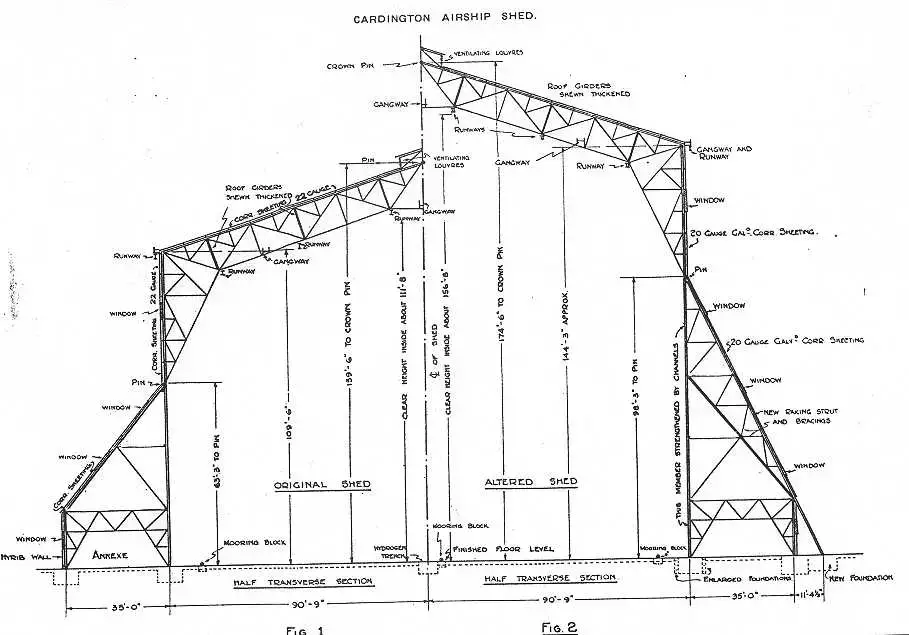
The original shed was too small for the designed R101, and so had to be lengthened and also raised in height. Work was started in October 1924 on the lengthening and raising of Shed 1, which was completed in May 1926. A second shed was also required, and so it was agreed that shed 2 from the Pulham operational base be used. This was dismantled in June 1927 and re-erected next to Shed 1. The second shed was completed in 1928. In that time, the R101 was slowly being assembled in shed 1 next door. Shed 2 was going to house the R100, which was being built in the airship construction facility in Howden, Yorkshire.
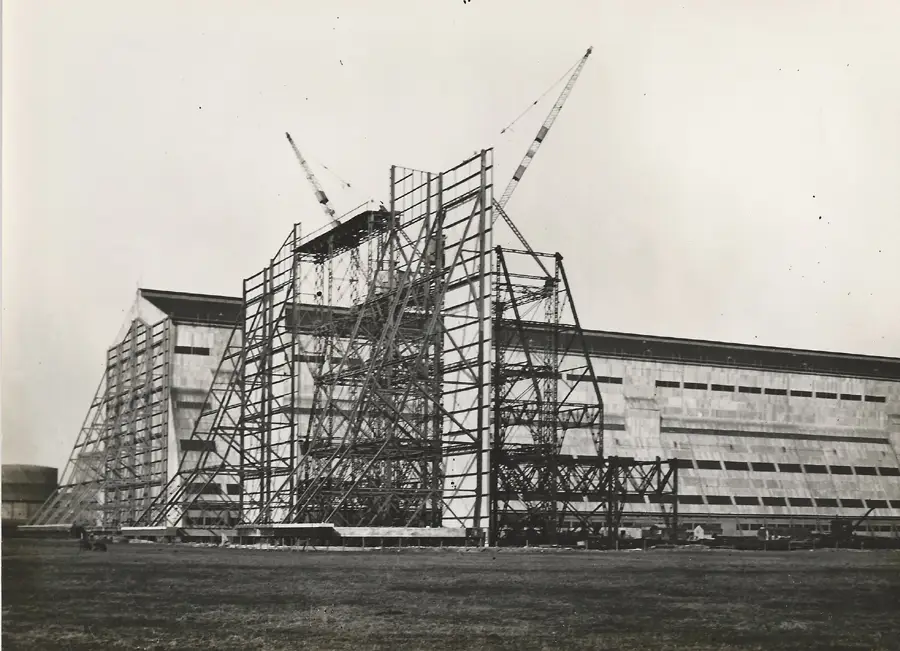

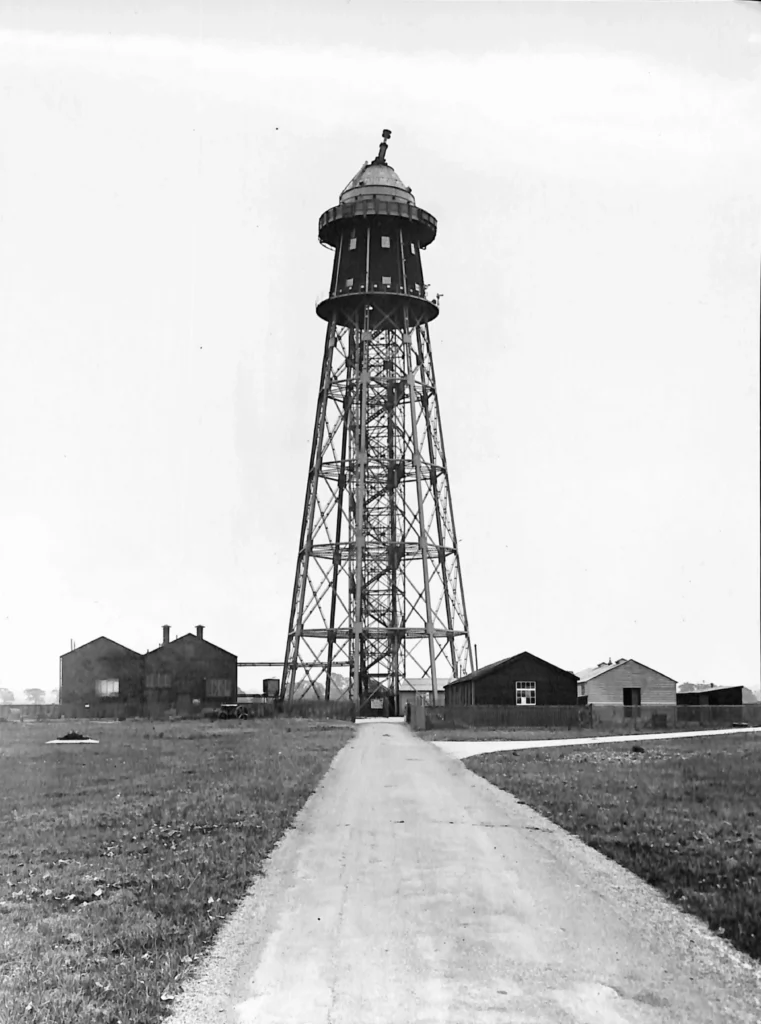
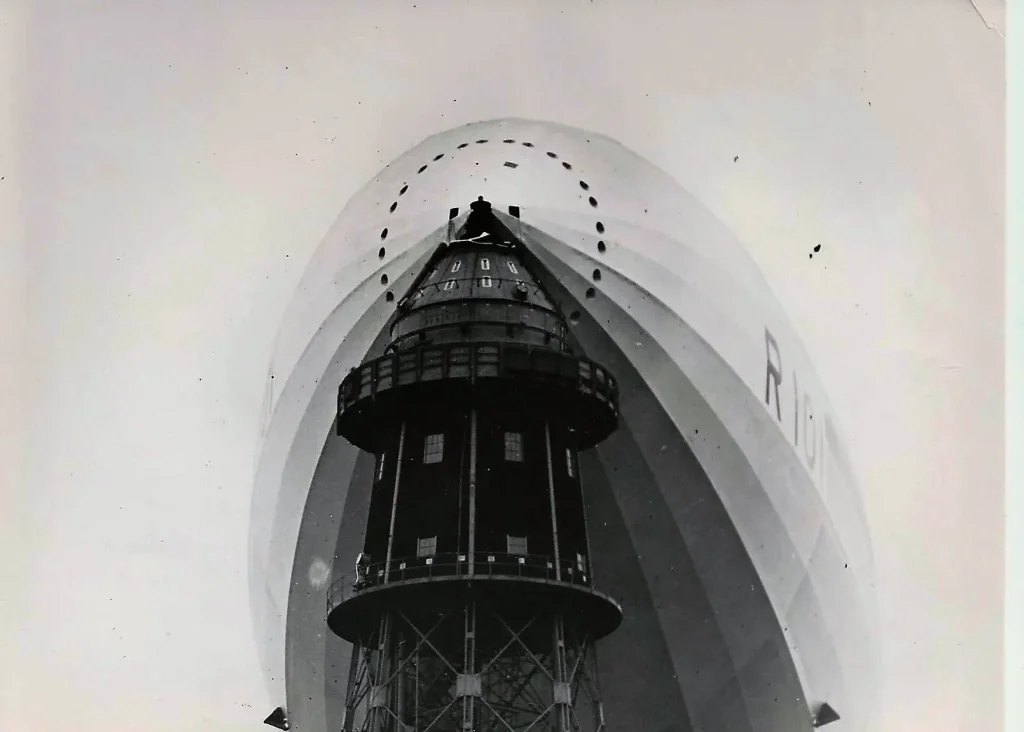
The huge airship mast was constructed for the civil programme in 1926, built by the Cleveland Bridge and Engineering Company under the direction of Major General Sir William Liddell, Director of Works and Buildings at the Air Ministry. 202 feet high and 70 feet in diameter at the base, the tower was the first ever cantilever mooring mast to be built. It was demolished in 1943 to help the war effort.

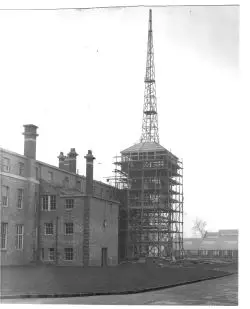
For communications, a wireless station and the Cardington control tower were constructed in 1928 behind the Administration block.
After the Giants 1930-1938
Discussions in Parliament following the crash of the R101 in October 1930 led to the Committee on National Expenditure’s final decision to dismantle the R100 in shed no.2.
In 1931, the Station was nearly closed, with only a skeleton maintenance staff of some 44 people remaining. However, this was only a temporary decision as work soon resumed quickly in 1932, when the Air Ministry decided to use shed 2 as aeroplane storage. At the same time, the R-100 had been stored in Shed 1, and hung, with the decision awaiting its future during 1931. It was only in late 1931 that the decision for the ship to be scrapped was made, and this continued into 1932. The site then became known as No.2 Aircraft Storage Depot. The task of leading the new depot was given to Sqdrn Leader S.Dixon, who at the time was Superintendent of the Royal Airship Works
To prepare for the incoming aircraft, which were to be stored, work had to be undertaken to make the former airship landing field prepared for landing aircraft on a grass strip in front of the shed. Due to the lack of suitable accommodation on the Cardington site, the workforce had to be brought in by bus from the nearby RAF base at Henlow. This problem was eventually resolved when the old naval huts on the site were made habitable. It was noted that some 300 aircraft of various types were stored in Shed 2 and then later in Shed 1 when space became available. Storage also spilt over into the “Arcade” which was a large workshop behind the Administration building, on the site. During the pre-war years, it was noted in one year that there were over 3,000 takeoffs and landings recorded, without any accidents or incidents.
In 1934, a decision was taken that the unit should be run by civilians, which then provided much-needed employment for the local workforce, who had been involved with the Cardington site since its creation in 1916. During this time, the Number 2 Aircraft Storage Unit was moved to Brize Norton, in West Oxfordshire, just before the war in 1938.
The existing gas handling and storage facilities, along with Cardington’s experience in airship gas handling, was to return as low-key balloon and kite balloon experiments were continued at the site.
In December 1936, RAF Cardington was established. On 1st January 1937, the Number 1 Balloon Training unit was formed. It was no surprise that, due to the balloon testing and research, which had already been established, the station came under Balloon Command.
In 1937, recruits began arriving at Cardington. Each recruit would undertake a 12-week programme of training prior to being posted out to various trade centres. Due to the war beginning in late 1939, to speed up the number of recruits to be processed through the Cardington training establishment, the training period was reduced from 12 weeks to 8 weeks. The realisation that the barrage balloon system would be a perfect defence system at home to try and deter aerial attack, the training of barrage balloon operators was stepped up, along with the research and development of balloons.
1938 was an extremely busy year for RAF Cardington, as more young recruits arrived for initial selection and training. It is known that the local Bedford workforce was employed to build more huts for the new arrivals.
During the 1930’s Empire Air days were held up and down the country at RAF Stations. Empire Air Days were designed to give the public a ‘behind the scenes’ insight to British aviation. They were organised by the Royal Air Force in conjunction with the Air League of the British Empire. The official reason for the air days was threefold
- To arouse greater public interest in flying and a more enlightened public opinion about flying matters
- To encourage flying itself and
- To hasten the progress of Imperial air development.
The first Empire Air Day was held in 1934 and continued on an annual basis until the outbreak of World War Two in 1939. RAF Cardington continued this with hosting an Empire Air Day in 1938.
In 1939 activity was increasingly stepped up further with the preparations underway around the station in the event of any war. On 3rd September 1939, war was declared on Germany, and RAF Cardington was to expand further with thousands of recuits arriving at the gates of the base
The War Years
With the threat of war looming at the end of the 1930s, Cardington was back in business with the development and creation of thousands of kite balloons for barrage balloon aerial defences. The deployment of the balloon defence would create a deterrent in the form of an aerial wal,l which would deter attacks. A wire would be held between two balloons, with long steel wires hanging down. With this, fighters and bombers could not fly between the wires. It was a very simple but effective form of defence. It sounded simple, but every balloon had to be large enough to carry a couple of miles of steel cable and required a trained crew who could monitor the balloon 24 hours a day. Also required for each was a winch and motor transport. At its peak, Cardington was producing some 26 balloons a week.
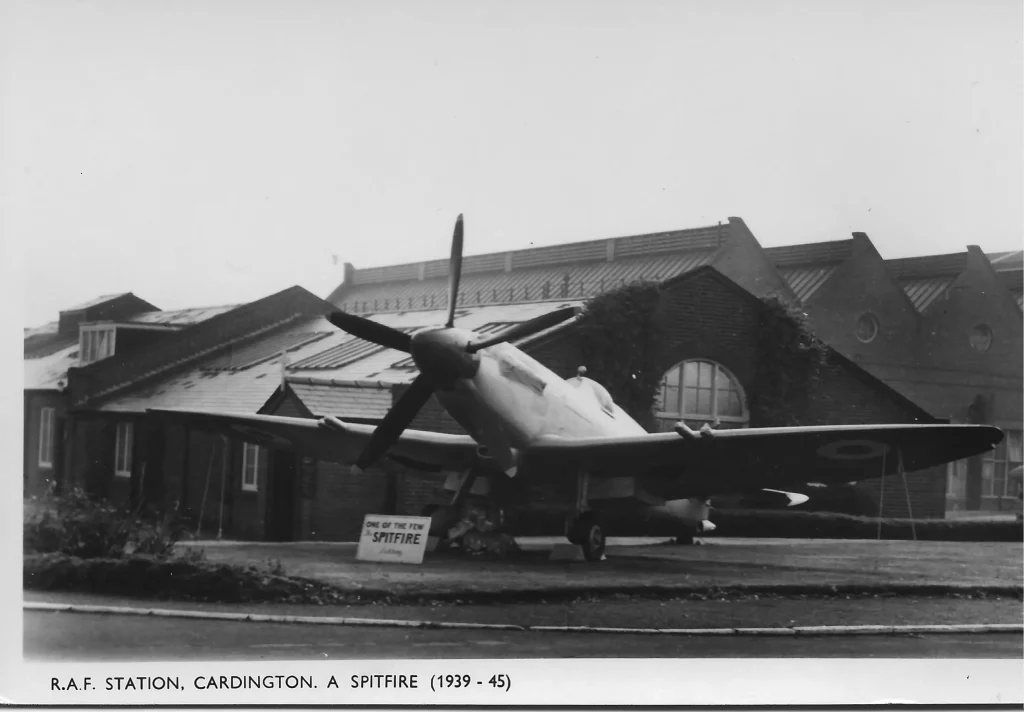
War was declared with Germany on 3rd September 1939, and this signalled a flurry of activity at the RAF base. It is noted from extracts from the 1939 Station records that there was a lot of pre-planning in the anticipation of war.

Sept 3: Provision of a guard from 2 platoons of the 5/16th Foot. A A machine guns manned by Foot.
Sept 6: Tented accommodation provided for Foot. Air raid warnings.
Sept 19: Station blackout inspected from shed no.2 by station CO.
Sept 23: Completion of 90 shelters. Also 25 trench units. Both give shelter for 5,000 bodies. Total strength 7,000.
Sept 25: 10 other shelters sanctioned for 500 men. Hutted accommodation for Foot.
On 4th November, RAF Cardington saw the arrival of its new Station Commander. Grp Cpt Arnold arrived and was to become the longest-serving Commander of the station facility. During the next twelve months, more shelters were added, along with the defence protection of six six-pillbox armed defence shelters. A 25-yard machine gun range was also set up, and machine gun posts were installed beside the roads around the RAF station. A pill box gun emplacement still survives today at the roadside at the Cotton End side of the RAF station land.
At this time, the two airship sheds were camouflaged, which would have taken up a lot of manpower and resources. Air raid warnings were sounded almost every hour. The Station itself was extremely lucky that, through the war period, there were only a few isolated incidents of bombs being dropped on site, and no major damage was sustained. Against the backdrop of constant air raid warnings, thousands of new recruits were enlisted and kitted out.
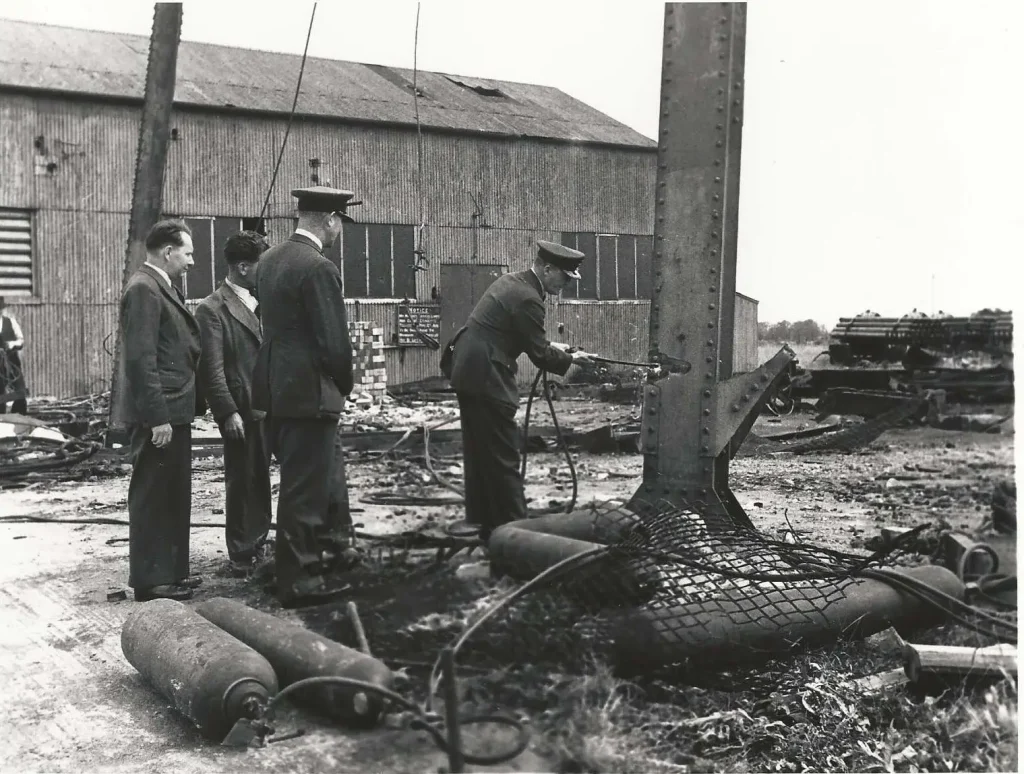
Despite the number of recruits being trained at RAF Cardington, it wasn’t a crowded site. A report taken from The Bedford Record and Circular during a “Home Day” in 1945, just at the end of the war where members of the public could visit the base, the base was described as a “picture of neatness”. Each hut was well attended and tidy, with outside lawns and flower beds surrounding each hut. The RAF base had it’s own roads, all of which were named after heroes of the air, such as Gibson Road (named after Wing Commander Guy Gibson V.C). For the off-duty airmen, there were many places to spend their downtime. The RAF base boasted many reading rooms for peace and quiet, and recreation areas. An on-site cinema and gymnasium were also available, which was also used for the RAF station dances.
A large NAAFI canteen was equipped with billiards and table tennis tables. A surgery, a dentist and a well-equipped medical centre were also available for all the people on the station. The spacious dining rooms were capable of accommodating 1,000 people at one time, and with well-equipped kitchens to provide the food.
The same article provided some very interesting statistics on the number of people who had been processed by the RAF station:
Number of recruits for General Traders processed: 200,000
(of which 1,000 were Dutch)
Number of NCOs for all Ground Trades: 40,000
Balloon Unit:
RAF Officers: 800
WAAF Officers: 300
Drivers of Motor Transport: 700
Balloon Winch Drivers: 15,000
RAF Balloon Trades: 25,000
WAAF Balloon Trades: 18,000
Grand Total: 299,800
After the War
After the war was declared over in May 1945, RAF Cardington became home to the newly formed Number 102 Personnel Dispersal Centre. Many thousands of RAF personnel passed through the RAF station to be “demobbed” or demobilised and returned to civilian life, or known as a return to “city street”. For most trooped who arrived at Cardington after the war, the demobilisation process took than 24 hours. Each serviceman was entitled to a new “demob” suit, two shirts, shoes and socks, a tie, a hat and a coat which would equip them for life back at home. Each man who arrived at RAF Cardington was given a folder containing information about the facilities and those in Bedford.

There was a great deal of entertainment available on the site, with the cinema opening every day, and dances held twice a week. The gymnasium remained open, along with a post office. For the men returning from the war in Europe, all the facilities for them were set up at the Cardington base.
The No 102 Personnel Dispersal Centre was closed in August 1946.
As with all RAF bases, and the same happened after the First World War, after the war had ended, activities on the Station slowed down considerably. On March 21st 1945 RAF Cardington was transferred from Balloon Command to Technical Training. On 1st August 1946, the station came under the responsibility of Number 22 Group.
During the 1950s, RAF Cardington undertook many experimental projects, with the experience which had been gathered since the 1920s and 30s with airships and balloon gas handling. Many of these projects were deemed top secret. Celebrations and recognition were in order at the end of the decade, on 16th July 1959, the then Station Commander, Group Captain Lousada, the serving Commanding Officer, formerly received “The Freedom of entry into the Borough of Bedford” on behalf of the Station.
Because of the experience of the staff at the Station during the post-war demobilisation period and as a major recruiting centre during the war years, RAF Cardington progressed to be become a centre to screen young men called up for National Service. However, by late 1960, National Service came to an end, and this was no longer needed at the Station.
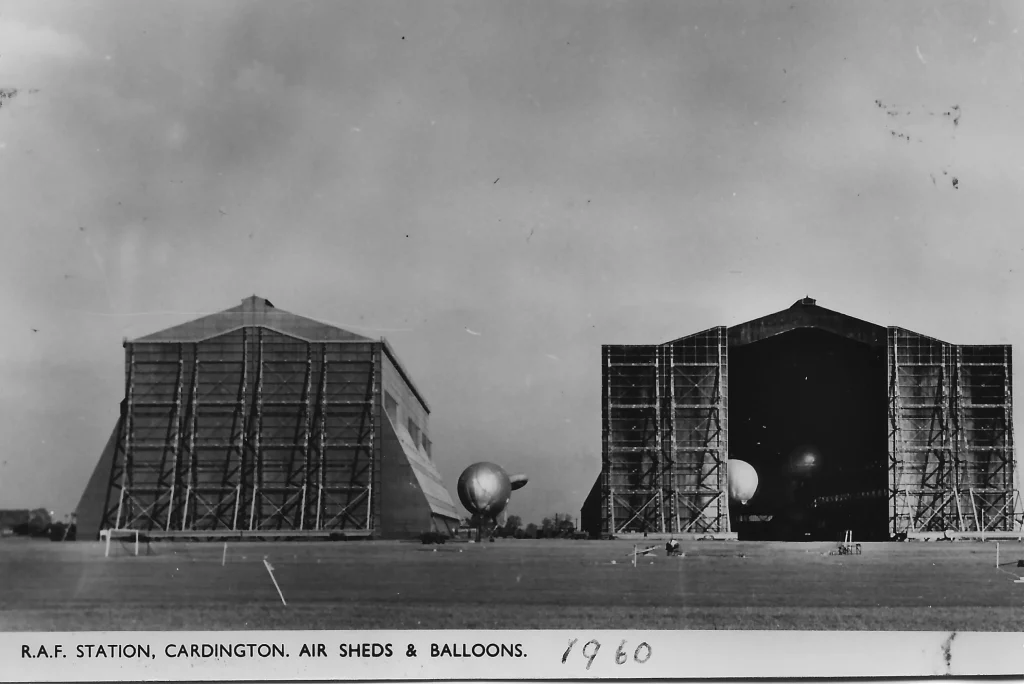
The Balloon Unit still remained active, and men were trained at RAF Cardington and sent overseas with the balloons. Experiments continued within the sheds. It was on 31st October 1966 that the Balloon Unit was transferred to Hullavington, Wiltshire. This was a major blow for RAF Cardington.
RAF Cardington became home to various Air Ministry departments in the 1970’s, and the sheds were available to be leased as large open spaces for projects.
Building Research Establishment
In 1971, Shed 2 became the home of the Fire Research Station (FRS) of the Home Office, which conducted experiments related to gas explosions and fires. In 1989, the FRS facility was transferred to the Building Research Establishment and became a dedicated site for large-scale and whole-building tests. The BRE team also conducted tests on the airframes of aircraft.

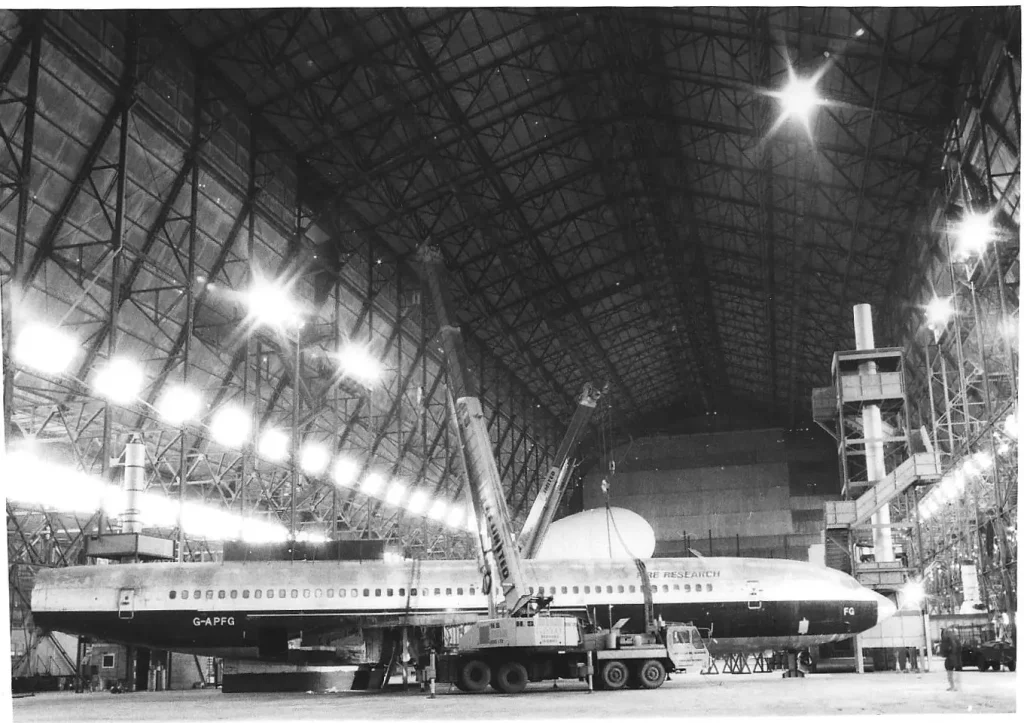
Between 1994 to 1997 the main series of large-scale fire tests were conducted on an eight-story composite steel-framed building constructed at the site. The Cardington tests significantly contributed to the development of performance-based structural fire engineering and provided a deeper understanding of how real buildings behave in fires, improving fire safety design principles.
Return of the Airship
In 1972, the Cardington sheds were the home to the Goodyear Europa airship, which was assembled and inflated at Cardington, and used for a series of promotional tours around the UK and Europe
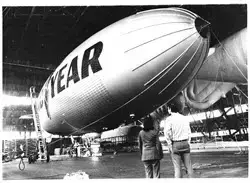
In the 1980s, Shed 1 was leased to Airship Industries, who were able to build and operate a fleet of airships and run a scheduled service from Cardington. The company rekindled the use of lighter-than-air travel in the 1980s and established the foundations for the lighter-than-air airships seen today. Shed 2 became home to the Building Research Establishment, which was instrumental in researching the fire safety of aeroplanes and buildings, as Shed 2 was a controlled environment to record the fire behaviours in large buildings. A 13-storey experimental office block was built within Shed 2 for this purpose.

The original sheds were 80 years old at this point and starting to deteriorate. Shed 2 was re-clad and painted in 1994.

Celebrating 80 Years of Shed 1
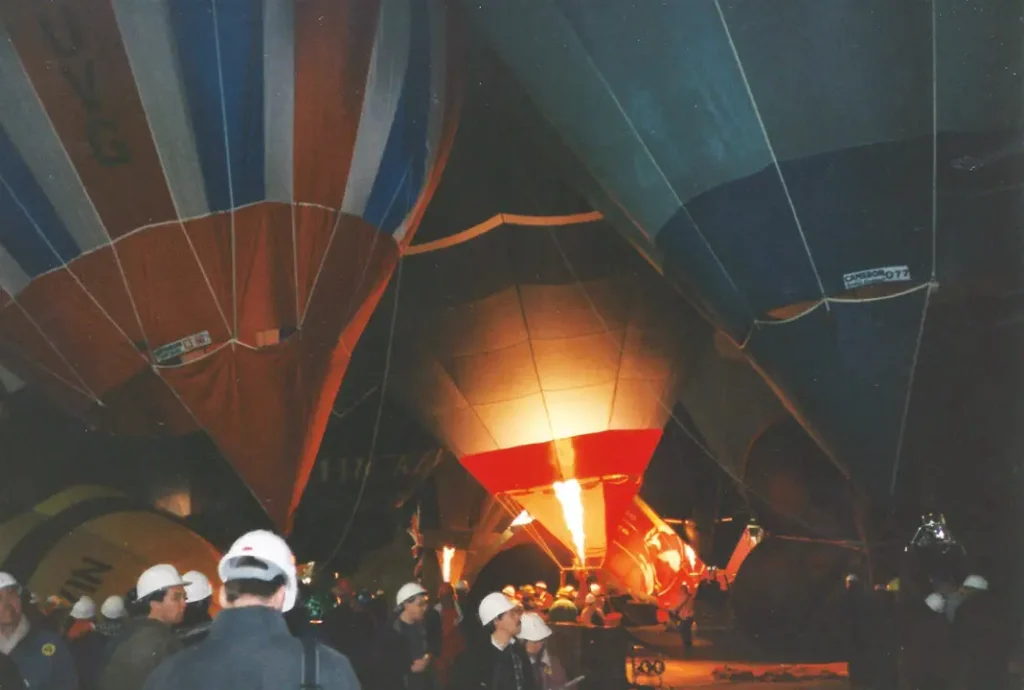
On 15th February 1997, the British Balloon Museum and Library (BBML) marked the 80th anniversary of the completion of Shed 1 with a spectacular winter balloon meet held inside the shed itself.
One of the highlights was an ambitious attempt to set a record for the largest number of balloons ever inflated indoors. Overseen by the Mayor of Bedford and officially submitted to the Guinness Book of Records, the event saw:
- 93 man-carrying balloons inflated at the same time
- 172 total inflations throughout the day
- 2 balloons flown free without being inflated inside the shed
In total, 176 balloons took part in the celebrations.
The day was hailed as a huge success—an impressive logistical achievement for the BBML and a unique spectacle for all who attended. It was a fitting and memorable way to celebrate 80 years of No. 1 Shed, originally constructed between August 1916 and April 1917.
Official Record (Unbeaten to Date):
- Date: Saturday, 15th February 1997
- Inflation period: 08:30 – 17:00
- 176 balloons in attendance
- 93 inflated simultaneously


In 1998 it was announced that the RAF Station would be closed on 31st March 2000. At this time, the RAF base gates were closed for the final time, and the RAF base disposed of.
In 2000, the buildings which were the original workshop behind the Administration Block were demolished, but the Administration Block and Sheds remained.
Today

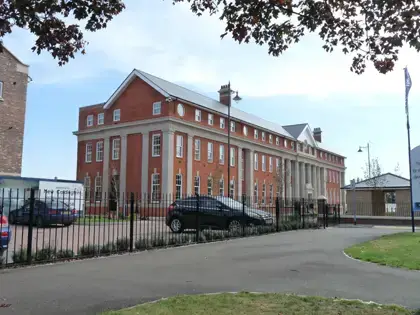
The main Administration building, with the date of 1917 above the entrance in Roman numerals, is still here today. With the exception of the windbreaks and the addition of many more houses in Shortstown and the impressive second shed from Pulham, the site remains as nearly complete as it was constructed and planned back in 1916.
The original construction buildings and workshops, which were situated behind the Administration Block (also known as the Shorts Building) were demolished as part of the disposal of the site in 1999 and 2000. The site was left as bare land but later developed in the latter part of 2007 with the expansion and redevelopment of the site.

In December 2006, dense fog settled across much of the United Kingdom, causing widespread travel disruption. During this time, photographer and pilot Tony Crowe departed from nearby Cranfield Airport and captured a series of striking and atmospheric images. His photographs reveal the vast scale and majesty of the sheds, offering a glimpse of how these monumental structures might have appeared to airships approaching in the 1920s.
The visit of the first Zeppelin in 80 years was commemorated by the visit of the Zeppelin NT as part of its 2008 tour.
Inside the Shed, has also housed limited airship and lighter-than-air activities, of which a Goodyear Lightship was constructed and launched from shed 1 in 2011
In 2012, Shed 2 was leased by the film company Warner Bros., and was utilised as a sound stage for filming. The condition of Shed 1 had deteriorated and needed restoration.
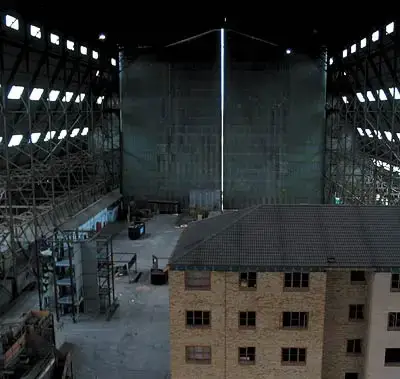
Between 2013 and 2015, Shed 1 underwent a two-year restoration and was subsequently used by Hybrid Air Vehicles for the assembly of the Airlander. Following the completion of flight trials in 2017, the building was leased to Warner Bros. as an additional sound stage for film production. In December 2018, ownership of Shed 1 and the surrounding airfield transferred from Cardington Developments Limited to the local property firm Gallagher Properties, who remain the current custodians
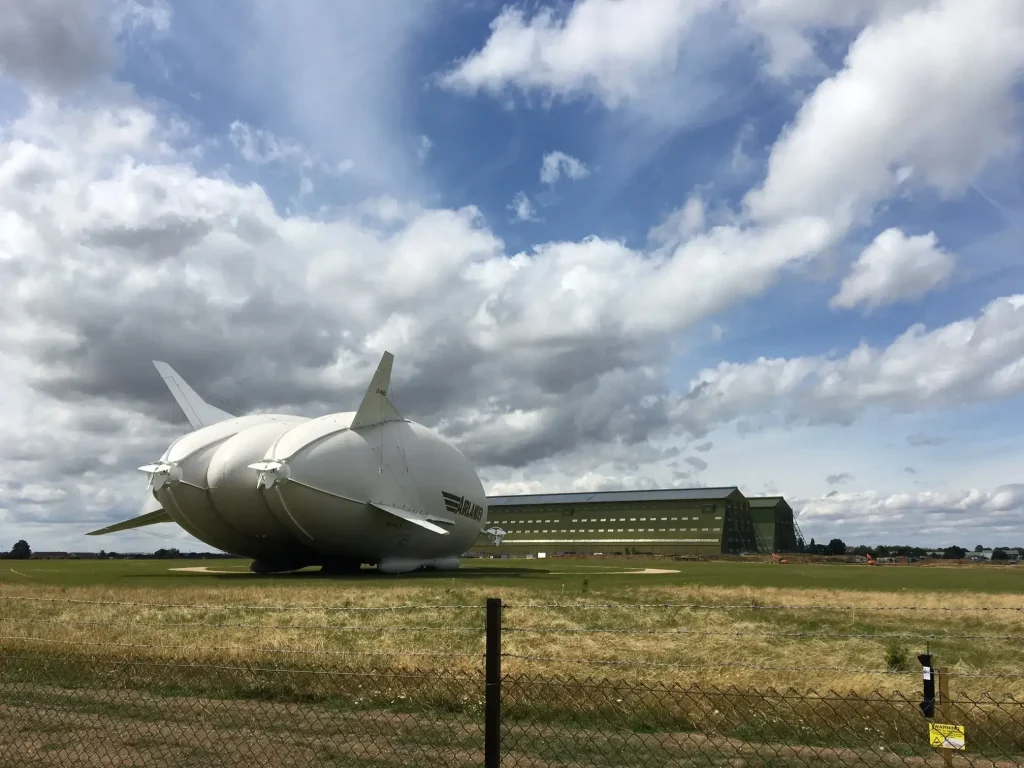
Airship innovation returned to Cardington with Hybrid Air Vehicles and the development of the prototype Airlander 10. The aircraft achieved its first two successful flights in August 2016; however, a heavy landing on the third caused damage to the cockpit. Repairs were carried out in Shed 1, with a return-to-flight programme launched in early 2017. A subsequent mooring incident once again brought the Airlander back to Shed 1 for assessment. Following the expiry of its lease, Hybrid Air Vehicles relocated its operations away from Cardington and up to Donnington in South Yorkshire, although the design team and head office remain in Bedford.
Opposite the original village of Shortstown, a modern village named New Cardington has been constructed. The central square of the village has been named Beauvais Square to commemorate the history of the R.101. Much of the former RAF base and the northern stretch of the once-expansive flying field have likewise been built over, marking the loss of areas long associated with aviation history.

More information on the activities in the sheds can be found here:
http://www.cardington-hangars.co.uk
The Shorts Building
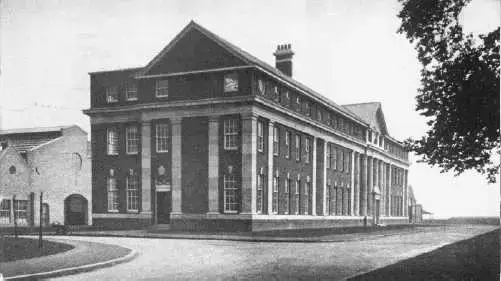
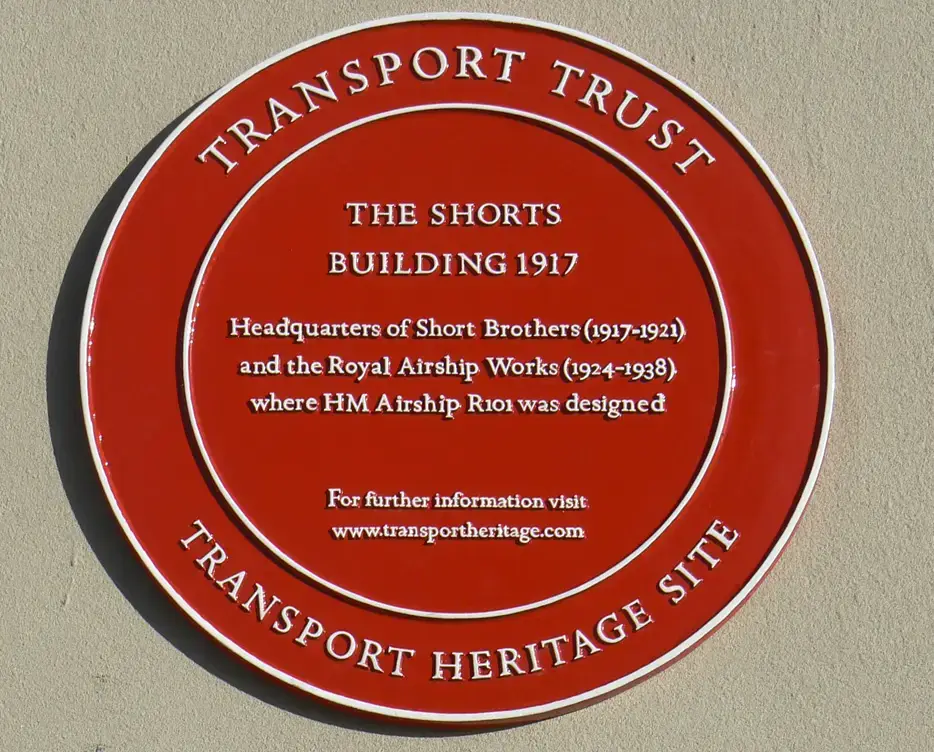
The original Shorts Building, constructed in 1917, which housed the design and administration block, and later the control tower during World War 2, has been restored and utilised. This is seen as the imposing building on the A600 road between Shortstown village and the village of Cotton End. Today, the town of New Cardington is being developed, and the Administration Block is still a prominent building in part of the new development, containing community services such as a crèche, doctor’s surgery, and apartments.

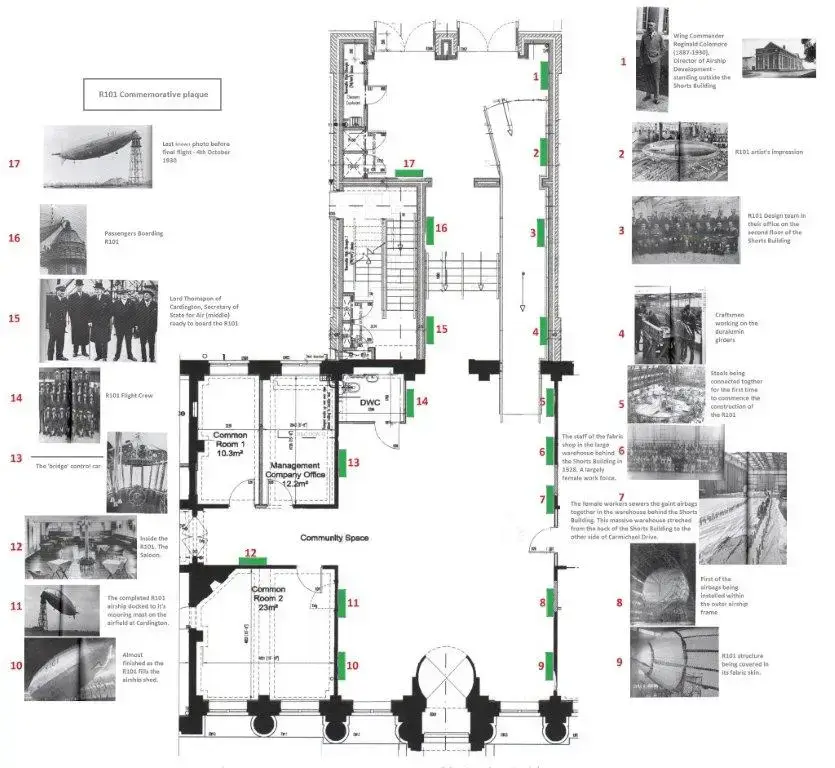
The AHT has been fundamental in ensuring that the communal areas open to visitors have pictures of the work which was carried out at the site, and of the R101 and construction, to ensure that the importance and history of the building is known to it’s visitors and tenants.

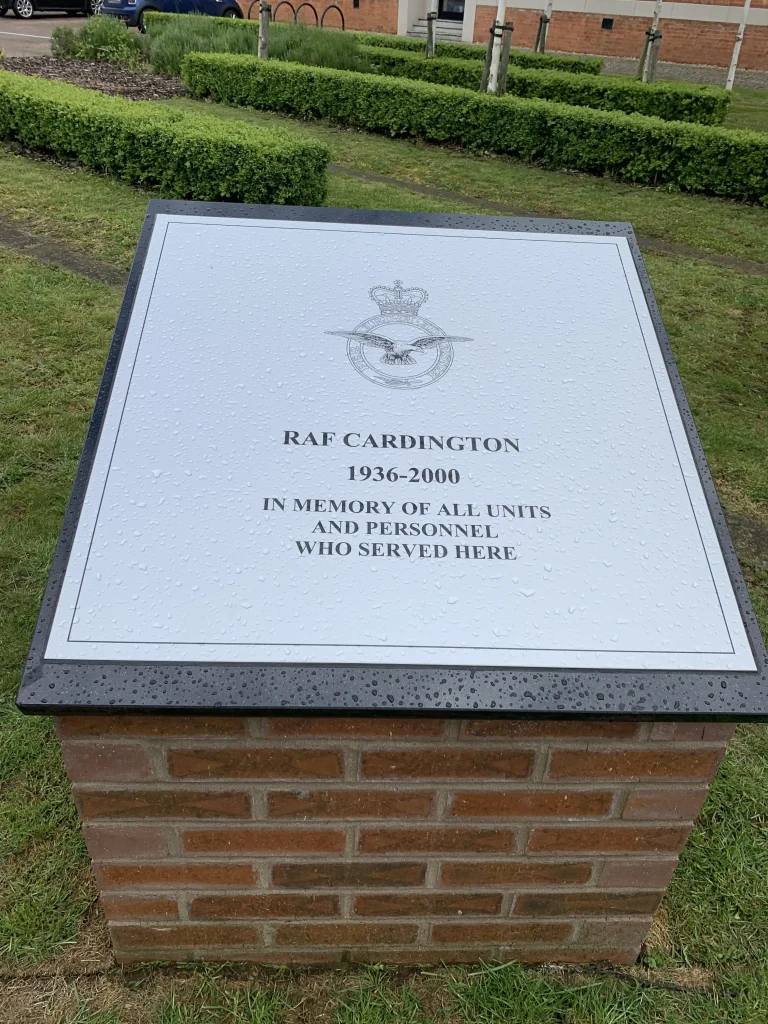
On 18th May 2019, a memorial stone was unveiled outside the Shorts Building, at RAF Cardington, by Mr Michael Lousada with a speech by Sqn Ldr Emrys Rogers from RAF Henlow, to commemorate those units and personnel who served there.


Did You Know… Both the RMS Mauritania and the RMS Lusitania could comfortably fit in each shed with the doors closed, and the RMS Titanic would have almost fit with only 40ft of her bow sticking out of the open doors. Also, did you know that the size of an airship is dependent only on the size of the shed she is built in!