
A site was agreed upon at Karachi (now part of Pakistan since the partition of the country in 1947). This was agreed to be one of the main “terminals” or junctions as part of the Imperial Airship Communications scheme in 1926.
Location
A site was located outside Karachi in 19525, as a preference to Mumbai (Bombay) due to the advantageous weather, and thunderstorms were less frequent in the area. The Karachi site was situated some 13 miles east of the town and was almost at sea level. This would have given the airships an advantage by being able to maximise their lifting capacity, despite the heat differential.

Construction
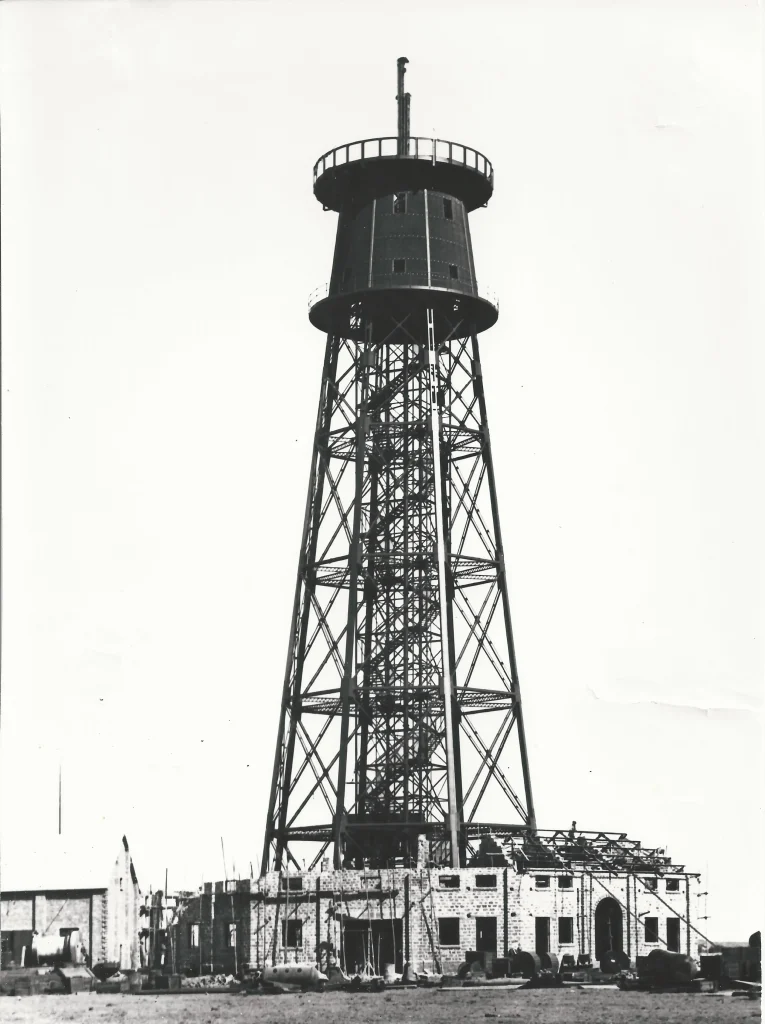
The land was purchased, and surveying commenced on the land as to where best to place the buildings. Construction began in 1926 and included an airship mast, a hydrogen plant and a hangar. The Mast followed the same basic design as the Cardington mast, with the same height and construction method. The only exception was that the base of the mast contained buildings, followed along the baseline in an octagonal shape. The airship base also contained a hydrogen plant in order that the ships could be refilled at the mast.
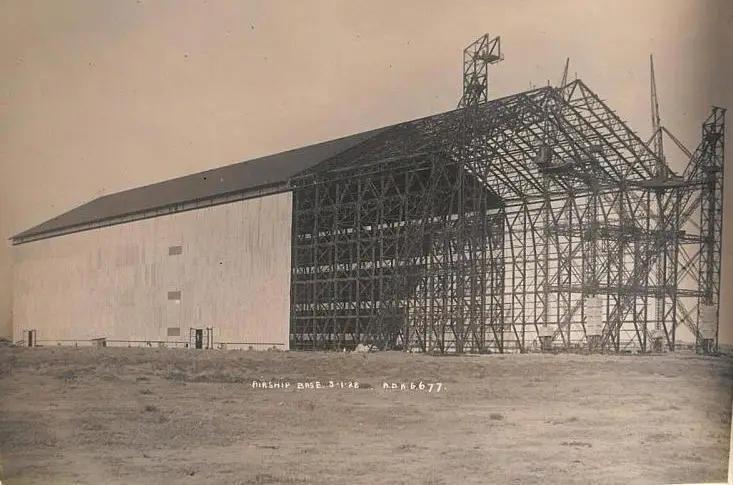
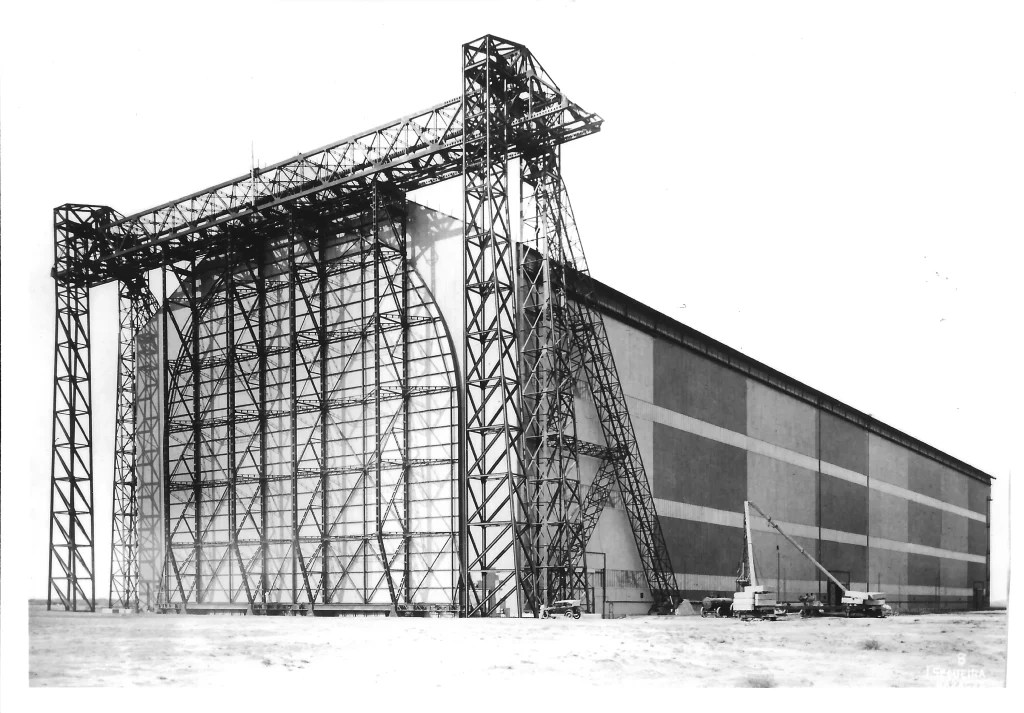
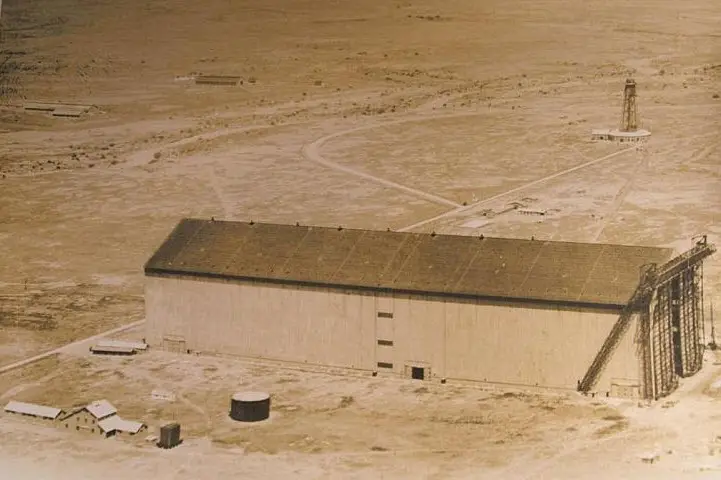
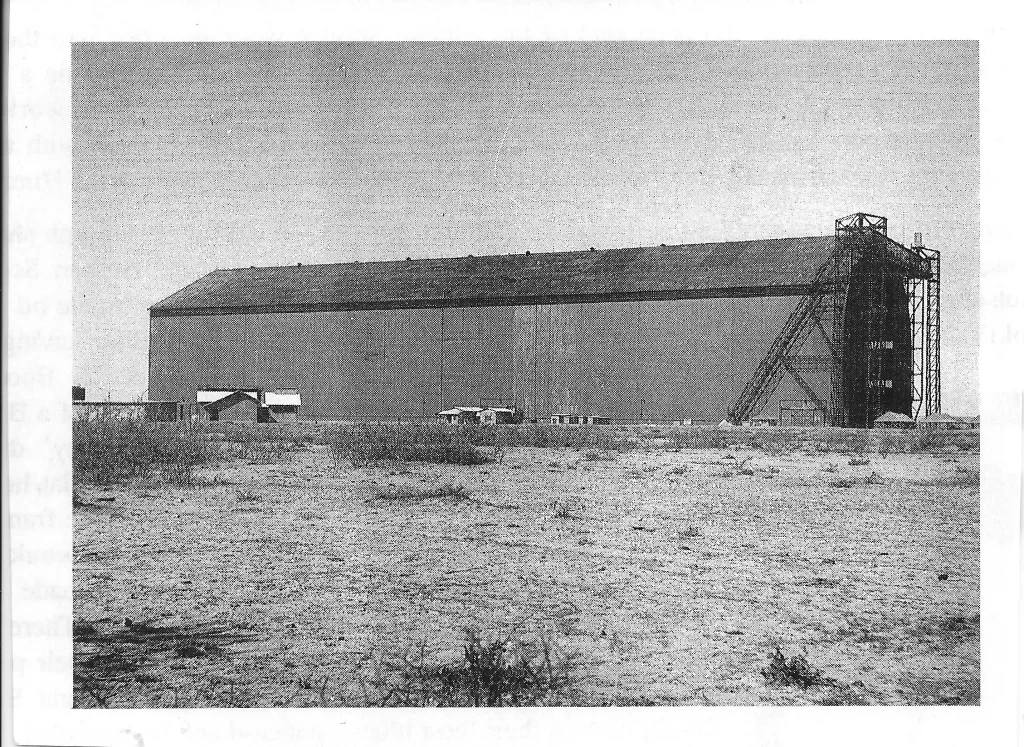
The gasometers contained enough gas to refill the R101, at a capacity of 5.5 million cft of gas. The Karachi airship shed was erected, which was larger than the original Cardington sheds and of a simpler design. This was decreed that the slanting side areas were not needed as it was not to be a constructional shed, and the sides of the hangars at Cardington contained a lot of the offices and storage space during the construction of a ship. The shed also differed from other previous designs of sheds in that the shed only had doors at one end, with a different door frame design. Once completed, the Karachi shed was the largest building in the British Empire at that time.
Planned R.102 Class
The shed was also designed with the future in mind, as it was 850ft long, 170ft high and 180ft wide. This would have fitted the new R102 class ship which was designed to be some 822ft long. Construction of the facility cost some £ 93,000 in 1928 ( £5,500,000 – 2025 value).
As there were no major iron or steel works in India at the time, the materials and components were fabricated at the Geriston Steel Works, Glasgow, with the Armstrong Construction Company being awarded the contract for the Shed’s construction. The first piece of structural steelwork was lifted into place on 9th October 1926. Despite the shed being erected along the lines of previous sheds, the Karachi Shed was the largest. Despite the size and some 4,000 tonnes of steel used in the construction, one of the conditions of the assembly and design was that the shed could be dismantled and moved to another location. The precedent of this had already been made with the moving of the constructional shed in Pulham in Norfolk, to be re-erected and suitably enlarged as Shed 2, at the Royal Airship Works, Cardington.
Mooring Mast
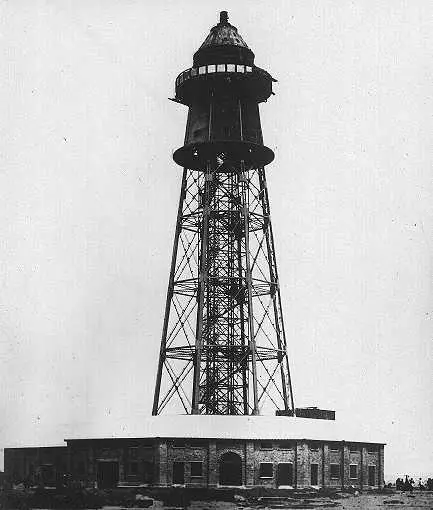
The mooring mast was constructed along the same design lines as the Cardington and Ismailia mast, and work began in 1929, with the completion of the construction in August 1930. The mast itself was the standard design; however, the buildings around the base were added in an octagonal design. As with the Montreal Mast, it was seen that administration and other logistical space were needed. Space would have also been needed for customs and official passenger formalities. At Cardington, these were not to be processed at the mast but in what was known as the Administration Building or Short’s Building, as it’s known today. To transport passengers, an 8-mile railway spur was built to connect the base with the city.
Life after the Airship Programme
The Shed and mast, although never used by an airship, remained, and according to records, some eighteen men were employed up until 1939 to maintain the facility which shows the decision on “cancelling the programme” was not as immediate as people believe after the R01 tragedy.
Sports Area
With the decisions over the future of the Imperial Airship programme being discussed in London over the next few years, the local managers allowed the Karachi shed to be used by local soldiers as a sports arena, out of the sun. It was reported that two games of football could be played inside the shed at once. It was also rumoured that the building was large enough to host local polo games, although there is no current evidence to substantiate this; however, again, the shed was certainly large enough for shelter play.

Use by Imperial Airways
The shed became involved in aeronautical activities, finally in the late 1930s when Imperial Airways took over responsibility of the building as an aeroplane hangar and workshops.
It was during the Second World War that the shed was used by both the RAF and the US Army. They utilised the shed for repairing aircraft which were being used in Burma and Indochina. The British Government were always looking for other uses for the shed, as well as offering the facilities to other interested Governments. The US Navy did investigate the possibility of using the base for its own airship programme as the shed was large enough; however, this did not progress any further. The sheds and mast remained erected until well after India’s independence from Britain, and later the territory was transferred to Pakistan.
Dismantling in 1961
In 1952, Pakistan Aviation issued a tender to dismantle the shed, and it was not until 1961 that it was finally agreed to dismantle it. Not that the building would be seen as going to waste, as the resources could be put to other uses. The steel was used for bridges and other smaller buildings along the vast Pakistan Railways.
Today
As with some of the other proposed sites, the Karachi site is the location of the International Airport today. If you are able to visit the airport today, check out the Pakistan International Airlines buildings, and the wide-bodied aircraft hangar is sited close to the grounds once occupied by the Karachi Airship Shed.